APST 7.1 · APST 7.2 · APST 7.3 · APST 7.4
Professional Engagement and Community Connections
Collaborating with colleagues and families while contributing to professional communities.C — Context
During my professional placements and work across early childhood and primary school settings, I came to understand that effective teaching extends beyond the classroom. It requires professional collaboration, respectful relationships with families, and active engagement with the wider education community.
Working alongside my mentor teacher and other staff provided opportunities to develop my professional responsibilities and communication skills. Beyond my placement, I actively engaged with professional associations and educational communities to broaden my perspectives and continue learning from experienced educators.
These experiences helped shape my understanding of teaching as a collaborative profession built on trust, ethical practice and continuous professional growth.
A — Action
1. Professional Responsibilities and Collaboration (APST 7.1 & 7.2)
During my placement, I worked closely with my mentor teacher and classroom colleagues to support the planning and delivery of learning experiences.
I took responsibility for preparing lesson plans, teaching resources and materials in advance, ensuring that activities were well-organised and that colleagues had access to the resources they needed. I also communicated with my mentor teacher about lesson arrangements, sought professional feedback and adjusted my teaching accordingly (refer to Figure 1).
These experiences helped me understand that being a reliable team member involves not only fulfilling my own responsibilities but also anticipating the needs of others and contributing to a supportive working environment.
I also recognised the importance of professional ethics, child safety and organisational procedures in maintaining a safe and respectful learning environment. My professional preparation included relevant child safety training, which strengthened my awareness of these responsibilities (refer to Figure 2).
Figure 1. Professional Collaboration: Preparing teaching resources to support effective teamwork and lesson delivery.
Preview PDF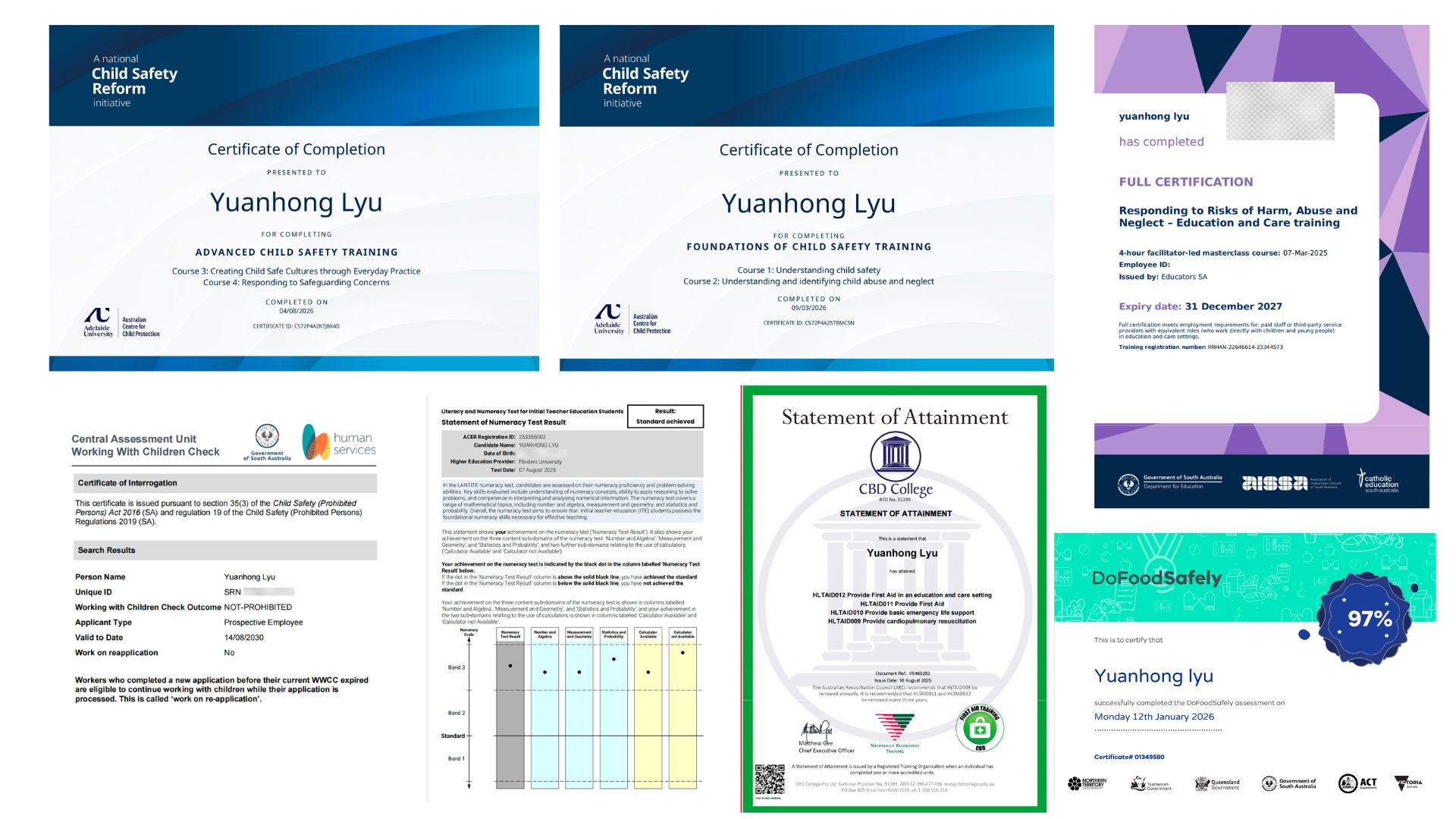
2. Building Respectful Relationships with Children and Families (APST 7.3)
Throughout my placement, I made a conscious effort to build positive and respectful relationships with children and their families. I aimed to create a supportive learning environment where students felt valued, encouraged and recognised as individuals.
At the end of my placement, I prepared personalised farewell gifts for each student to acknowledge our shared learning experiences. I also wrote thank-you letters to my mentor teacher and the school to express my appreciation for their guidance and support (refer to Figure 3).
In return, I received handmade cards from students and a thoughtful email of appreciation from a parent (refer to Figure 4). These meaningful gestures reflected the positive relationships developed during my time at the school and reminded me of the importance of trust, respect and genuine care in education.
Figure 3. Positive Relationships with Students: Celebrating meaningful connections through personalised farewell gifts and handmade cards.
Preview PDF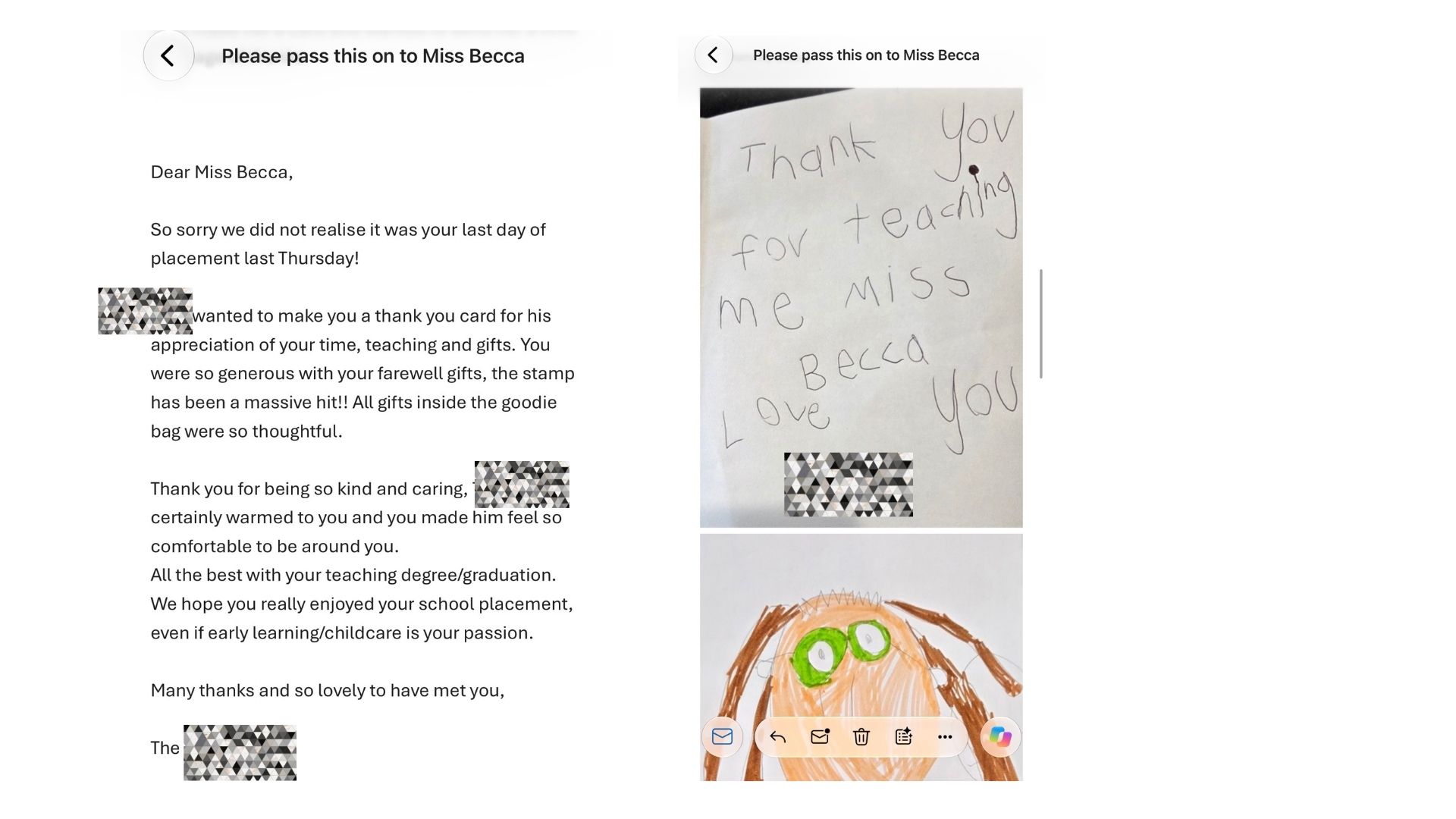
3. Engagement with Professional Associations and Communities (APST 7.4)
Beyond my teaching placements, I have actively sought opportunities to engage with professional associations and the wider early childhood education community.
As an active member of Chinese Early Childhood educators association (CECES), I regularly participate in online and face-to-face professional learning events, workshops and professional development sessions. I have also completed professional development courses and obtained certificates, reflecting my ongoing commitment to professional learning (refer to Figure 5).
Figure 5. CECES Professional Development: Engaging in ongoing professional learning through workshops and training.
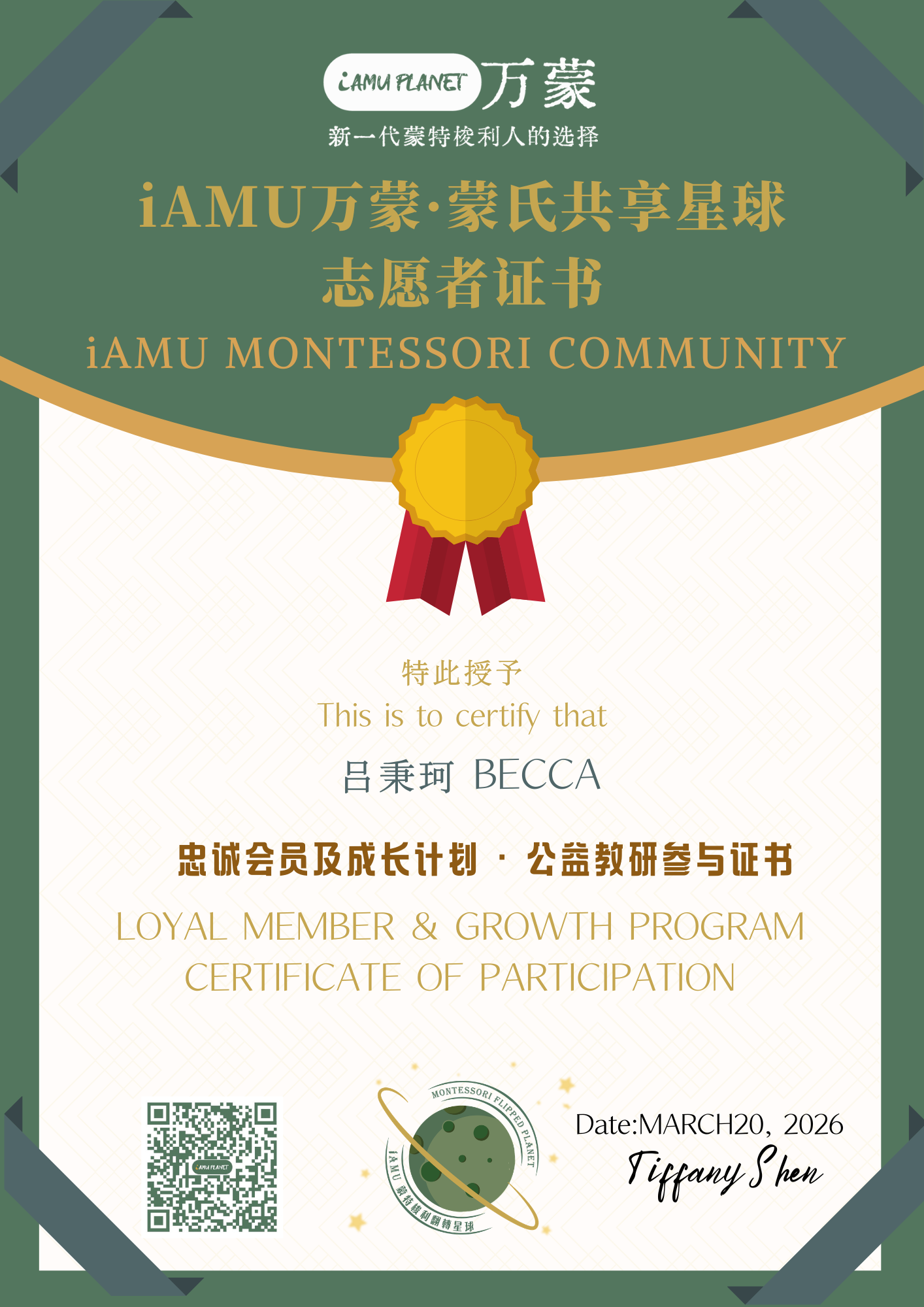
Preview PDFI am also an active member of a Montessori professional association, where I participate in professional discussions, collaborative curriculum research and the development of teaching resources (refer to Figure 6). Rather than simply attending activities, I aim to contribute ideas, share resources and learn alongside other educators.
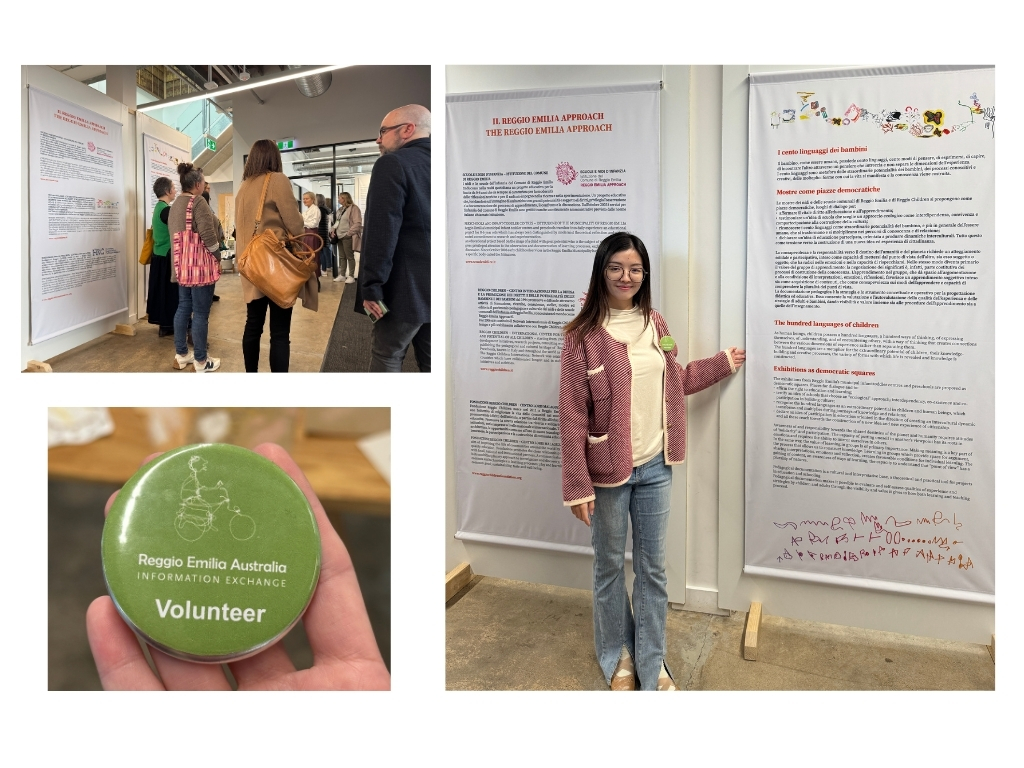
I also volunteered at a Reggio Emilia exhibition in Adelaide, organised by the Reggio Emilia Australia Information Exchange (REAIE) (refer to Figure 7). This experience provided opportunities to engage with educators from different professional backgrounds and deepen my understanding of the Reggio Emilia approach.
Through these professional networks, I have been able to explore diverse educational philosophies, exchange ideas with other educators and contribute to professional communities beyond my immediate workplace.
R — Results
These experiences strengthened my understanding of professional collaboration and the importance of contributing to a supportive educational community.
Through working alongside experienced teachers, I developed greater confidence in communicating with colleagues, preparing shared resources and responding to professional feedback. The positive responses from students and families, together with the professional reference from my mentor teacher, provided meaningful recognition of the relationships and professional practices I developed during my placement (refer to Figure 8).
Figure 8. Professional Feedback and Recognition
Supporting evidence of my professional growth, collaboration and teaching practice:
My involvement in CECES, Montessori and REAIE also expanded my professional networks and provided opportunities to learn from educators with different experiences and perspectives. In particular, contributing to curriculum research and teaching resource development helped me move beyond participating in professional learning towards actively contributing to it.
E — Evaluation
I have learned that being a professional educator is not simply about fulfilling individual responsibilities, but also about contributing to a collaborative environment where colleagues, families and educators support one another.
From my placements and work, I recognise that effective teamwork requires initiative, preparation and open communication. Building positive relationships with students and families also reinforced my belief that trust and respect are essential foundations for meaningful educational partnerships.
My involvement in professional associations has been particularly valuable in shaping my professional identity. I understand that professional learning is not limited to attending workshops or receiving knowledge. It also involves sharing ideas, contributing resources and learning through collaboration.
I believe that professional engagement is a reciprocal process: we grow not only through the support we receive, but also through the contributions we make to others.
S — Standards
APST 7.1 – Meet Professional Ethics and Responsibilities
Developed an understanding of professional ethics and demonstrated responsibility through respectful communication, teamwork and a commitment to supporting colleagues and students.
APST 7.2 – Comply with Legislative, Administrative and Organisational Requirements
Strengthened my understanding of child safety, professional responsibilities and organisational requirements through relevant training and professional experiences.
APST 7.3 – Engage with Parents/Carers
Developed positive and respectful relationships with families, supported by appreciative feedback received during my placement.
APST 7.4 – Engage with Professional Teaching Networks and Broader Communities
Actively engaged with professional teaching networks through CECES professional development, Montessori curriculum collaboration and REAIE volunteering, contributing to ongoing professional learning and community engagement.